Dot — a private record
Small moments.
A whole life.
A life is rarely made of great events. It is made of moments almost too small to tell — a song replayed on a Tuesday night, a book finished on a Sunday, a walk with no destination, a thought that nearly got away. Dot is a private place to keep them: one small dot, in seconds, then back to living.
01 · What a dot is
Six kinds of moment
A dot is the smallest unit of a life — not a piece of content, but one moment of contact between you and the world. It takes seconds to write and asks nothing back: no caption to perfect, no audience to please.
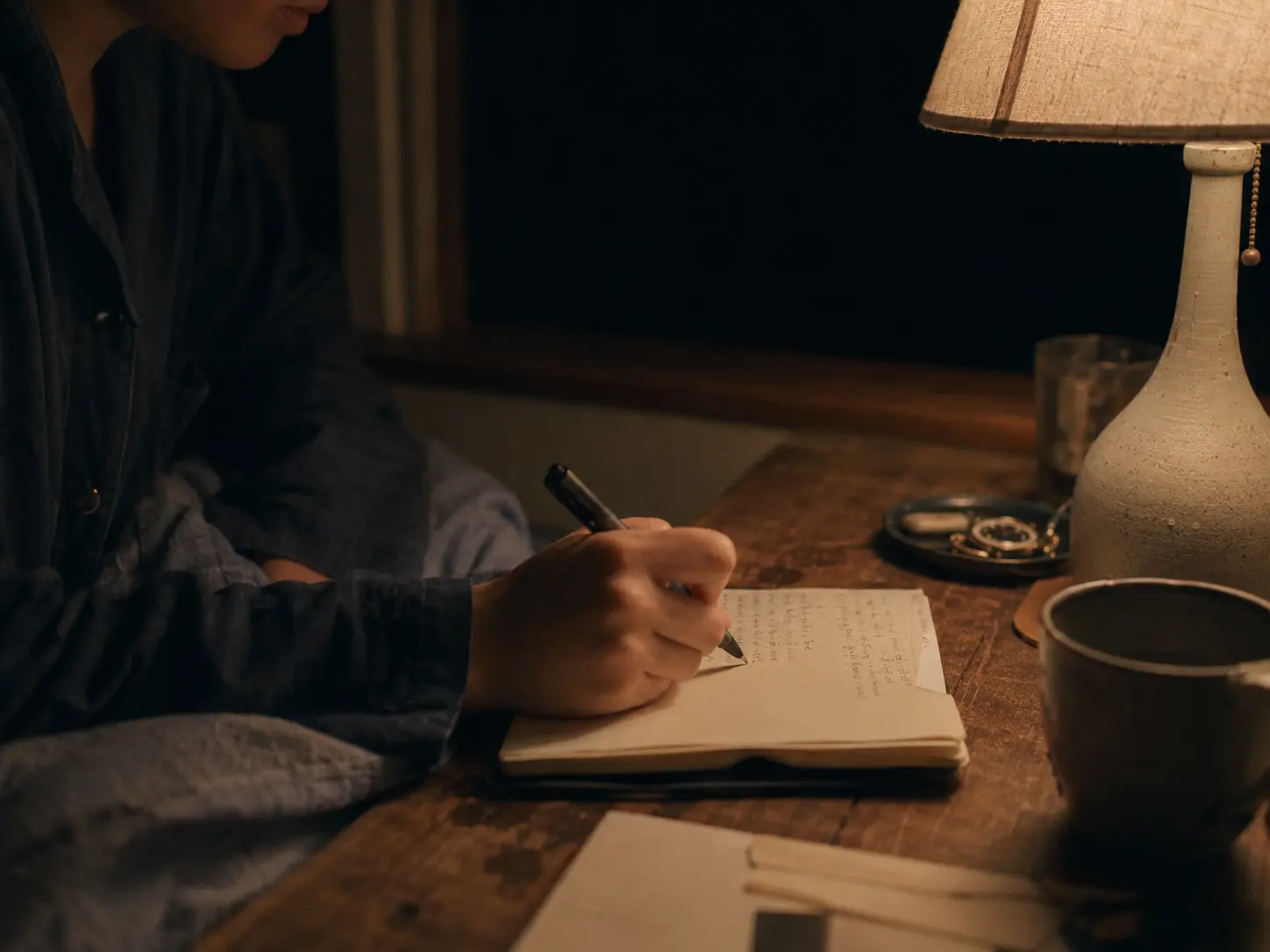
A thought 
A song 
A book 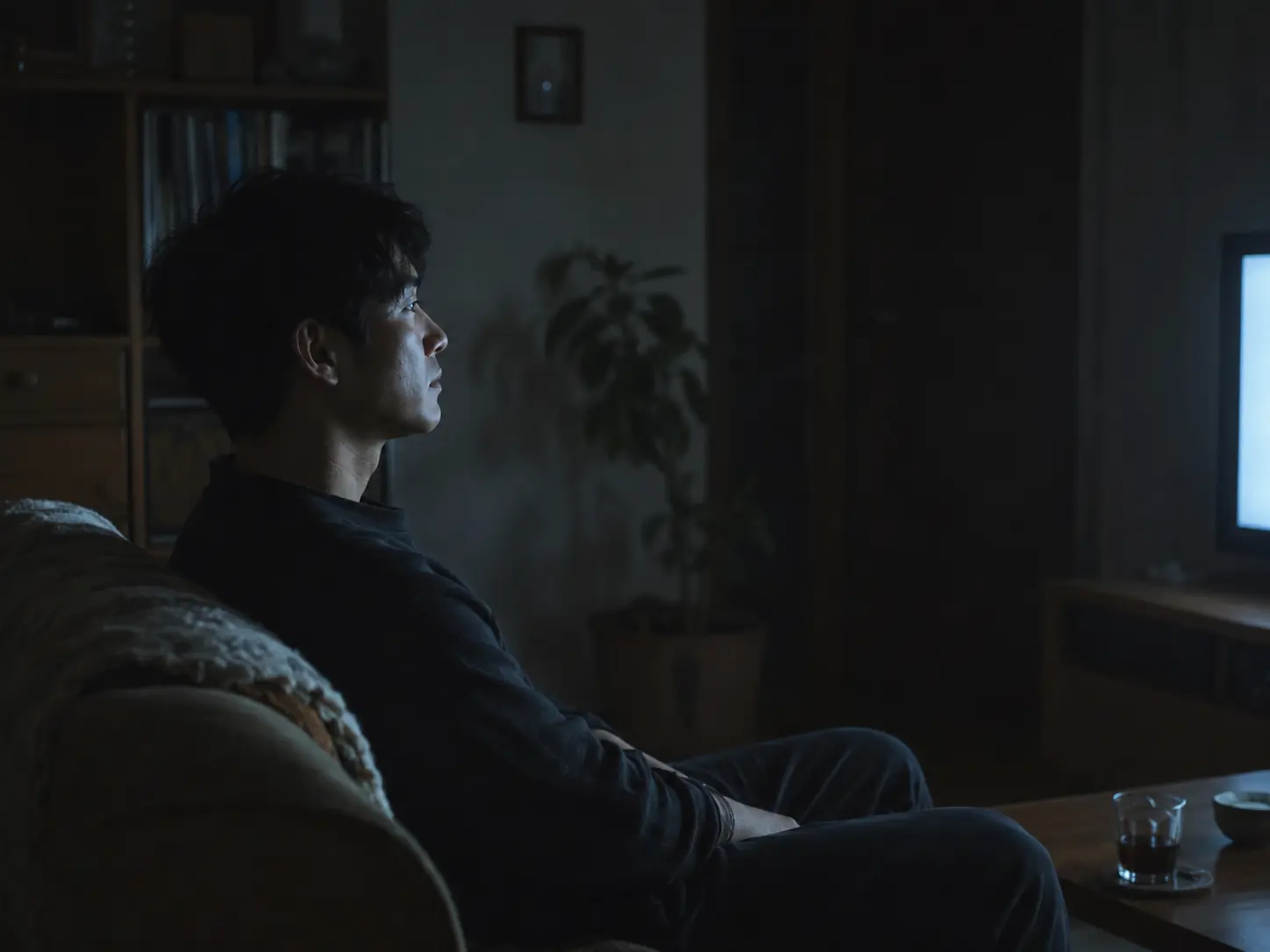
A film 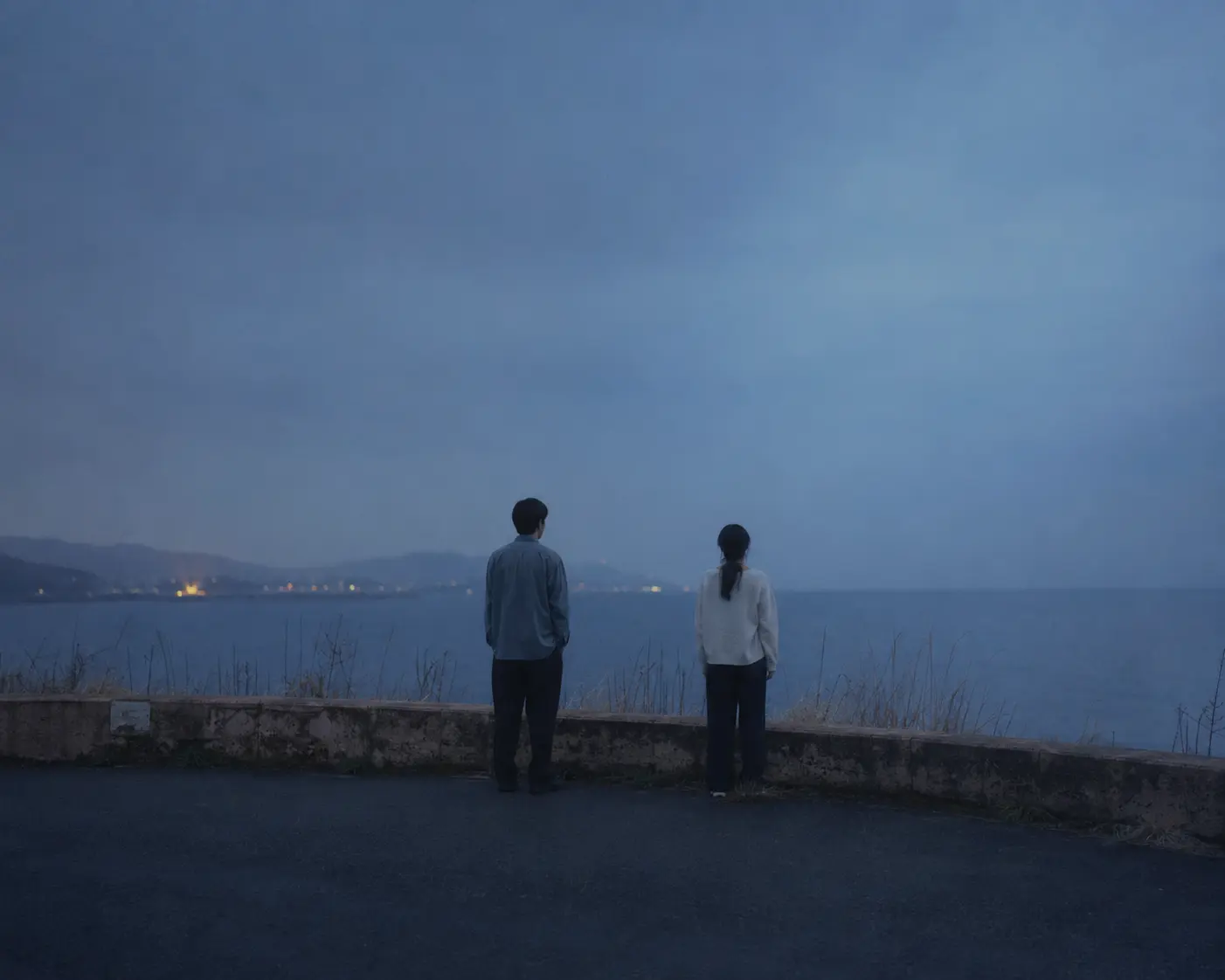
A place 
A conversation
The song, the film, the place — those are only what a dot points to. What it keeps is your connection to them: yours, and no one else’s.
02 · What a dot holds
What happened,
and what it meant
An archive keeps facts. Dot keeps the relation between you and the facts — not that you watched a film, but why it entered your life that week; not that you visited a city, but who stood next to you, and why you still want to go back.
So every dot has two layers. The first records the life. The second is the point.
The moment
Past Lives, at the old cinema on Grand.
The meaning
“Why does a film about missed lives make me grateful for mine?”
03 · The loop
A cycle that returns to living
Content has a life cycle: created, published, consumed, engaged, forgotten. A life moves differently. It happens first; the record is only the trace it leaves. Traces connect into memory, memory reshapes how you read the past and choose what comes next — and the loop closes where it began, with living.
- 1Live
- 2Record
- 3Organize
- 4Relive
- 5Reflect
- 6Live again
04 · The Life Stream
Not a feed. Not a timeline.
A feed is what other people push at you. A timeline is merely things sorted by date. A Life Stream is your own days, gathering — nothing appears in it unless you lived it.
Dot doesn’t keep the past itself; the past is gone, and no tool brings it back. It keeps the chance that past and present will meet again. Open it on an ordinary evening and yesterday is there, and last spring, and the person you were ten years ago — in their own words, waiting.
- “The hour before everyone wakes is mine.”
- “Chapter three of East of Eden. Cathy unsettles me.”
- “Nightswimming, on repeat again.”
05 · Time, compounding
The only record that appreciates
A post is worth the most on the day it is published, then decays. A dot moves the other way: it is born alone, and every year of living around it gives it context, relations, meaning. Time here is not a sort field — it is the material. Most products consume your time; a few save it. Dot preserves it.
Today
A dot is born alone. A small note, thirty seconds, then back to your day.
In a year
It finds its neighbors. Seven Denis Villeneuve films this month — and you never noticed.
In ten years
It belongs to a shape only you could have made: what you return to, what you avoid, what you kept choosing.
A hundred thousand dots do not compose a timeline.
They compose a person.
Written for an audience of one
There are no followers in Dot, no likes, no metrics of attention. Nothing you record is a performance. It is a notebook, not a stage — private by design, yours by default.
And yet some moments have a co-author. Certain memories exist only because someone else was there. When a moment belongs to two lives, Dot lets you hand it to that one person — not to an audience, to them. Sharing here is not showing your life; it is letting someone into your experience.
Your life, in dots.
No one can stop time, or live a day twice. What you can do is leave evidence — honest enough that the future you can still recognize today’s you. When a moment leaves a dot, and the dots begin to connect, a life takes on a geometry you can finally see.